
28+ reviews
  • 4.3
228+ reviews

Hidden Wiring Hazards: Why They Matter and How to Catch Them Before They Cost You

  • April 3, 2026
  • Wiring & rewiring

Hidden wiring faults: the damage you don't see

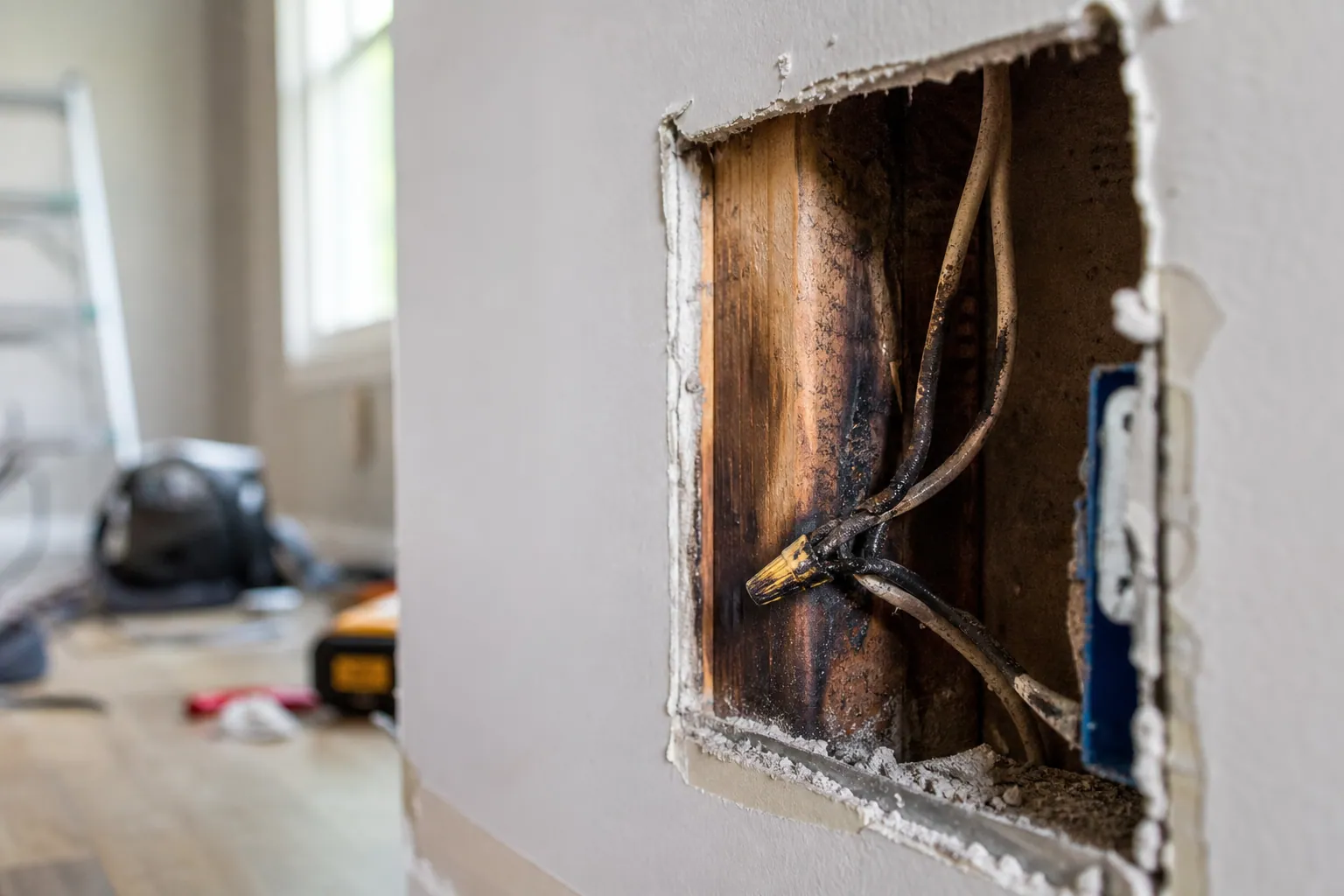
When people hear "an electrical problem", most picture sparks or a blown fuse. But the costliest hazards are the slow, hidden ones inside walls and behind panels. They overheat connections, scorch insulation, damage appliances, and quietly raise the risk of a fire. We encounter them in American homes more often than you might think – and the cost of ignoring them only grows the longer they go unnoticed.

Where hidden wiring faults usually start

The cause is usually simple: overload and age.

  • In winter, heavy heating loads overload old circuits and trip breakers.
  • Year-round, worn outlets and old switches loosen and overheat behind walls.
  • The most common culprit is a loose or worn connection.

Wiring faults tend to hide behind outlets and switches, while panel issues show up at the main breaker box and subpanels. The worst faults settle inside finished walls and old junction boxes.

Why hidden wiring faults are hard to fix on your own

Online you will find hundreds of tips and "quick fixes" – from swapping a breaker for a bigger one to twisting wires together with tape. Most of the time they hold only briefly, or not at all. Electricity finds every weak connection, and patching the symptom rarely solves the source. Worse, a botched DIY repair can turn a minor fault into a shock hazard or a fire while you're away from home.

What a professional wiring repair involves

Licensed electricians combine several steps:

  • fault detection – circuit tracing and meter testing to find the source without tearing up walls,
  • targeted wiring and device repair or replacement,
  • voltage checks – verifying the circuit runs safely after the repair,
  • preventive advice – recommendations on how to protect your electrical system long-term.

The result is not just a quick patch, but a complete, lasting fix to the problem.

Tips on how to reduce the risk of wiring faults

  • Know where your main breaker is and test your GFCI outlets once a month.
  • Replace worn or scorched outlets and switches every few years.
  • Replace cracked outlets and switch plates before they fail.
  • Watch your breakers — frequent tripping often means a hidden wiring fault.
  • Regularly check outlets, switches and your breaker panel.

When to call the professionals

If you see flickering lights, scorched or warm outlets, smell burning plastic or hear buzzing from a switch or panel, it is time to act. Electrical faults spread extremely fast, and a small problem can become a major hazard within just a few weeks.

Latest articles

Dealing with an electrical problem?

We'll fix your electrical quickly, safely and effectively. Just arrange a free no-obligation quote – we'll take care of the rest.
Looking for a company to help you with electrical work of all kinds?
All Rights Reserved © Acme Electric .